
rockzavin
Super Moderator
- May 16, 2024
- 323
- 27
Protein is the cornerstone of a balanced diet for anyone pursuing muscle growth. Consuming enough protein is also essential for optimal performance and recovery for athletes, bodybuilders, and fitness enthusiasts.

Asian cuisine offers nutrient-dense dishes rich in protein, vitamins, and essential minerals. Known for its balance of flavors and diverse cooking techniques, it provides many options for fueling the body and supporting muscle development. From grilled meats to tofu-based dishes, Asian cuisine caters to different dietary needs while being flavorful and health-conscious.
The general recommendation for individuals looking to build muscle is 1.6 to 2.2 grams of protein per kilogram of body weight per day. For a 70kg (154lb) person, this would be between 112 and 154 grams of protein daily, distributed across meals.
While protein is crucial, a balanced diet that includes essential vitamins, minerals, and healthy fats is equally important for overall health and performance. Many of the Asian dishes listed below provide high-quality protein and other essential nutrients for optimal health.


Soy sauce, ginger, garlic, and chili peppers are common flavor enhancers that not only add depth to dishes but also provide additional health benefits, such as boosting metabolism and reducing inflammation.
To make meal prep easier, consider batch cooking larger portions of dishes like tofu stir-fry or lentil dal. Store these meals in airtight containers for easy access throughout the week, ensuring that you stay on track with your protein intake.
Asian cuisine offers a variety of high-protein foods such as chicken, beef, seafood (like shrimp and salmon), tofu, lentils, and eggs, which are featured in many traditional dishes.
Can I eat these dishes if I’m on a low-carb diet?
Many of them, such as Salmon Sashimi, Chicken Satay, and Egg Foo Young, are naturally low in carbs. For low-carb options, avoid dishes that include noodles or rice or opt for lower-carb substitutions.
How can I include these dishes in a muscle-building diet plan?
You can incorporate these dishes into your meal plan by ensuring they fit your daily protein requirements. They can serve as the main source of protein in meals, supplemented with vegetables, whole grains, and healthy fats for a balanced diet.
Asian cuisine offers nutrient-dense dishes rich in protein, vitamins, and essential minerals. Known for its balance of flavors and diverse cooking techniques, it provides many options for fueling the body and supporting muscle development. From grilled meats to tofu-based dishes, Asian cuisine caters to different dietary needs while being flavorful and health-conscious.
Nutritional Importance of Protein
Protein provides the building blocks—amino acids—that your muscles need for repair and growth after intense physical activity. When you work out, you create microscopic tears in muscle fibers. Protein aids in the repair process, helping muscles grow larger and stronger.The general recommendation for individuals looking to build muscle is 1.6 to 2.2 grams of protein per kilogram of body weight per day. For a 70kg (154lb) person, this would be between 112 and 154 grams of protein daily, distributed across meals.
While protein is crucial, a balanced diet that includes essential vitamins, minerals, and healthy fats is equally important for overall health and performance. Many of the Asian dishes listed below provide high-quality protein and other essential nutrients for optimal health.
Top 10 High-Protein Asian Dishes
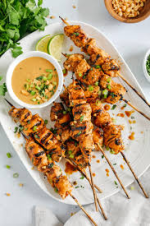
Chicken Satay
Chicken satay is a skewered, grilled dish often served with peanut sauce.- Protein Content: 30-40 grams of protein per serving.
- Cooking Method: The chicken is marinated in spices and grilled over an open flame.
- Nutritional Benefits: High in lean protein and packed with spices that offer anti-inflammatory benefits. Serve with a peanut sauce for added protein and healthy fats.
Tofu Stir-Fry
A plant-based dish featuring tofu stir-fried with a variety of vegetables.- Protein Content: 20 grams of protein per cup of tofu.
- Cooking Method: Tofu is stir-fried in a wok with vegetables and soy sauce for flavor.
- Nutritional Benefits: Tofu provides plant-based protein and is rich in calcium and iron. For added nutrients, customize with vegetables like bell peppers and broccoli.
Beef Bulgogi
A popular Korean dish of thinly sliced, marinated beef grilled or stir-fried.- Protein Content: 25-30 grams of protein per serving.
- Cooking Method: The beef is marinated in soy sauce, sesame oil, and garlic, then grilled or stir-fried.
- Nutritional Benefits: Rich in high-quality protein and healthy fats. Pair with vegetables for a balanced meal.
Salmon Sashimi
Thin slices of raw salmon are served without rice, a popular dish in Japanese cuisine.- Protein Content: 25 grams of protein per 3 ounces.
- Health Benefits: Salmon is high in protein and rich in omega-3 fatty acids, which support heart health and reduce inflammation.
- Serving Suggestions: Serve with soy sauce, wasabi, and pickled ginger for an added flavor punch.
Shrimp Pad Thai
A flavorful Thai noodle dish made with shrimp, eggs, and peanuts.- Protein Content: 25-30 grams of protein per serving.
- Cooking Method: Shrimp and eggs are stir-fried with rice noodles, peanuts, and vegetables.
- Nutritional Benefits: It provides a balanced combination of protein, carbohydrates, and healthy fats, essential for muscle recovery.
Egg Foo Young
A Chinese omelet has eggs, vegetables, and meat like pork or shrimp.- Protein Content: 15-20 grams of protein per serving.
- Cooking Method: Eggs and fillings are whisked together and pan-fried until golden.
- Nutritional Benefits: High in protein and low in carbs, ideal for a post-workout meal.
Korean Kimchi Stew (Kimchi Jjigae)
A spicy stew made with kimchi, tofu, and pork or beef.- Protein Content: 15-25 grams of protein per serving, depending on the meat or tofu used.
- Nutritional Benefits: Kimchi is fermented, providing probiotics for gut health. The protein from tofu or meat makes this dish great for muscle repair.
Quinoa Sushi Rolls
A modern twist on sushi, using quinoa instead of rice, filled with vegetables and seafood like tuna or salmon.- Protein Content: 20-25 grams of protein per roll.
- Health Benefits: Quinoa is a complete protein, meaning it contains all essential amino acids. Paired with fish, these rolls are packed with protein and healthy fats.
Lentil Dal
A hearty Indian lentil stew rich in spices and often served with rice or flatbread.- Protein Content: 18 grams of protein per cup of lentils.
- Cooking Method: Lentils are boiled with spices like turmeric, cumin, and coriander.
- Nutritional Benefits: Lentils are high in fiber, iron, and plant-based protein, making this dish excellent for sustained energy and muscle recovery.
Vietnamese Pho with Chicken
A traditional Vietnamese noodle soup made with broth, chicken, and rice noodles.- Protein Content: 20-25 grams of protein per bowl.
- Health Benefits: The broth provides hydration, while chicken offers lean protein. Pho also contains herbs like cilantro and basil, which provide antioxidants.
Cooking Techniques and Flavor Enhancers
Steaming, grilling, and stir-frying are popular cooking techniques in Asian cuisine that preserve the nutritional content of ingredients. These methods ensure that dishes are low in added fats while still being flavorful.Soy sauce, ginger, garlic, and chili peppers are common flavor enhancers that not only add depth to dishes but also provide additional health benefits, such as boosting metabolism and reducing inflammation.
To make meal prep easier, consider batch cooking larger portions of dishes like tofu stir-fry or lentil dal. Store these meals in airtight containers for easy access throughout the week, ensuring that you stay on track with your protein intake.
Dietary Considerations
Addressing Dietary Restrictions
For those with specific dietary needs, many of these dishes can be adapted. For example, tofu stir-fry and lentil dal are perfect options for vegans, while quinoa sushi rolls can be made gluten-free by avoiding soy sauce with gluten.Quality Ingredients
Using fresh, high-quality ingredients is key to maximizing the nutritional benefits of these dishes. Opt for organic vegetables, sustainably sourced seafood, and lean cuts of meat to enhance both flavor and health benefits.Sustainability
Whenever possible, choose sustainable sources for your ingredients, such as farm-raised fish or locally grown vegetables. Not only does this benefit the environment, but it also supports better health outcomes due to fewer pesticides and artificial additives.Frequently Asked Questions
What are some common high-protein foods found in Asian cuisine?Asian cuisine offers a variety of high-protein foods such as chicken, beef, seafood (like shrimp and salmon), tofu, lentils, and eggs, which are featured in many traditional dishes.
Can I eat these dishes if I’m on a low-carb diet?
Many of them, such as Salmon Sashimi, Chicken Satay, and Egg Foo Young, are naturally low in carbs. For low-carb options, avoid dishes that include noodles or rice or opt for lower-carb substitutions.
How can I include these dishes in a muscle-building diet plan?
You can incorporate these dishes into your meal plan by ensuring they fit your daily protein requirements. They can serve as the main source of protein in meals, supplemented with vegetables, whole grains, and healthy fats for a balanced diet.