
rockzavin
Super Moderator
- May 16, 2024
- 323
- 27
A balanced diet is critical for bodybuilding success, impacting everything from muscle growth to recovery and overall performance. Nutrition is the foundation upon which strength training builds muscle mass, with carefully chosen foods fueling your workouts and supporting recovery. Balancing macronutrients like proteins, carbohydrates, fats, and essential micronutrients significantly shapes an optimal bodybuilding diet.
Carbohydrates are essential for replenishing glycogen stores, which are depleted during intense training sessions. Consuming enough healthy carbs, such as whole grains, fruits, and vegetables, ensures your muscles have the energy to perform at peak levels.
Meanwhile, fats play a key role in hormone production and energy regulation. Including healthy fats from sources like nuts, seeds, avocados, and olive oil keeps your hormones balanced, supporting both muscle gains and overall well-being.
Though required in smaller quantities, micronutrients are vital for muscle recovery and overall performance. Vitamin D, B vitamins, and antioxidants (Vitamin C and E) help reduce oxidative stress and support muscle function. Minerals like calcium, magnesium, and zinc are essential for bone health, muscle contractions, and protein synthesis.
Dietary fiber also plays a crucial role in improving digestive health and ensuring that nutrients are efficiently absorbed. It prevents issues such as bloating and constipation that can hinder progress in the gym.
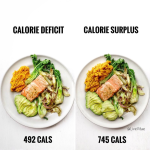
To support lean mass gain, a caloric surplus is necessary. This means consuming more calories than your body expends in daily activity and exercise. However, balancing this intake carefully is essential to avoid excess fat gain.
By calculating your maintenance calories and adding an appropriate surplus—typically around 250 to 500 extra calories per day—you can optimize your body composition and focus on building lean muscle without accumulating unnecessary fat.

When planning meals, consider the timing to provide a consistent energy supply throughout the day. Effective meal planning should also include pre-and post-workout nutrition to support recovery and muscle repair.
After a workout, focus on protein-rich foods combined with carbohydrates to replenish glycogen stores and kickstart muscle repair. Pre- and post-workout nutrition strategies should emphasize foods that are easily digestible and high in bioavailability to enhance nutrient absorption.
Eating frequency can significantly impact muscle growth and overall energy levels. While some bodybuilders thrive on three larger meals daily, others benefit from smaller, more frequent meals to maintain satiety and steady energy.
Frequent meals can also help manage insulin sensitivity, avoiding energy crashes that can impair performance. By striking the right balance, you can ensure that your body has a constant supply of nutrients to fuel your workouts and recovery.
While whole foods should be the primary focus, supplements can support a well-rounded bodybuilding diet. Protein powders, creatine, branched-chain amino acids (BCAAs), and multivitamins can help fill gaps in your diet and enhance recovery.
Post-workout recovery nutrition is crucial—aim to consume a meal or shake rich in protein and carbohydrates within an hour of finishing your workout to optimize muscle repair and glycogen replenishment.
Adjusting your carbohydrate intake based on your workout intensity and goals will also help maintain optimal energy levels.
It is crucial to identify and address these deficiencies through a varied diet and, when necessary, supplementation. Antioxidants, in particular, help combat the oxidative stress and inflammation that come with intense training, promoting faster recovery and better performance.
By establishing clear benchmarks, you can stay on track and ensure your diet consistently supports your training and recovery efforts.
A caloric surplus is needed to support muscle gain. Consuming more calories than your body burns ensures that you have enough energy for intense workouts and muscle repair. However, it is important to balance this surplus to avoid fat gain.
How often should I eat for optimal muscle growth?
Eating frequently—every 3 to 4 hours—ensures a steady supply of nutrients to your muscles. This frequency supports continuous muscle protein synthesis and helps manage satiety, preventing overeating or fatigue during training.
What supplements can help in a bodybuilding diet?
Protein powders, BCAAs, creatine, and multivitamins are commonly used to support muscle recovery, energy production, and nutrient intake. Supplements should complement a balanced diet, not replace whole foods.
Understanding Macronutrients and Micronutrients
In bodybuilding, macronutrients are the building blocks of muscle growth and recovery. Protein is essential because it provides the amino acids necessary for muscle repair and hypertrophy. Good protein sources such as lean meats, eggs, plant-based options like legumes, and protein powders contribute to the steady intake needed to sustain growth.Carbohydrates are essential for replenishing glycogen stores, which are depleted during intense training sessions. Consuming enough healthy carbs, such as whole grains, fruits, and vegetables, ensures your muscles have the energy to perform at peak levels.
Meanwhile, fats play a key role in hormone production and energy regulation. Including healthy fats from sources like nuts, seeds, avocados, and olive oil keeps your hormones balanced, supporting both muscle gains and overall well-being.
Though required in smaller quantities, micronutrients are vital for muscle recovery and overall performance. Vitamin D, B vitamins, and antioxidants (Vitamin C and E) help reduce oxidative stress and support muscle function. Minerals like calcium, magnesium, and zinc are essential for bone health, muscle contractions, and protein synthesis.
Dietary fiber also plays a crucial role in improving digestive health and ensuring that nutrients are efficiently absorbed. It prevents issues such as bloating and constipation that can hinder progress in the gym.
Constructing a Balanced Bodybuilding Diet
Caloric Surplus and Caloric Intake
To support lean mass gain, a caloric surplus is necessary. This means consuming more calories than your body expends in daily activity and exercise. However, balancing this intake carefully is essential to avoid excess fat gain.
By calculating your maintenance calories and adding an appropriate surplus—typically around 250 to 500 extra calories per day—you can optimize your body composition and focus on building lean muscle without accumulating unnecessary fat.
Nutrient Density and Meal Planning
A balanced bodybuilding diet focuses on nutrient-dense foods, ensuring that every meal provides essential vitamins, minerals, and macronutrients. Prioritize whole, unprocessed foods rich in protein, complex carbohydrates, and healthy fats.When planning meals, consider the timing to provide a consistent energy supply throughout the day. Effective meal planning should also include pre-and post-workout nutrition to support recovery and muscle repair.
Timing and Frequency of Meals
Meal timing plays a vital role in optimizing nutrient absorption and maximizing performance. Consuming a balanced meal or snack before a workout ensures that your muscles have the energy to power through training.After a workout, focus on protein-rich foods combined with carbohydrates to replenish glycogen stores and kickstart muscle repair. Pre- and post-workout nutrition strategies should emphasize foods that are easily digestible and high in bioavailability to enhance nutrient absorption.
Eating frequency can significantly impact muscle growth and overall energy levels. While some bodybuilders thrive on three larger meals daily, others benefit from smaller, more frequent meals to maintain satiety and steady energy.
Frequent meals can also help manage insulin sensitivity, avoiding energy crashes that can impair performance. By striking the right balance, you can ensure that your body has a constant supply of nutrients to fuel your workouts and recovery.
Enhancing Performance and Recovery
Hydration is often overlooked, but it is one of the most important aspects of performance and recovery. Dehydration can lead to muscle cramps, fatigue, and poor workout performance. Ensuring adequate water intake and maintaining a balance of electrolytes such as sodium, potassium, and magnesium is essential for sustaining energy levels and promoting muscle function.While whole foods should be the primary focus, supplements can support a well-rounded bodybuilding diet. Protein powders, creatine, branched-chain amino acids (BCAAs), and multivitamins can help fill gaps in your diet and enhance recovery.
Post-workout recovery nutrition is crucial—aim to consume a meal or shake rich in protein and carbohydrates within an hour of finishing your workout to optimize muscle repair and glycogen replenishment.
Addressing Common Nutritional Challenges
Managing Insulin Sensitivity and Energy Levels
Maintaining stable insulin sensitivity is key for controlling energy levels and avoiding fat gain. Incorporating complex carbohydrates, healthy fats, and fiber into your meals can help regulate blood sugar levels, providing a consistent energy source without spikes or crashes.Adjusting your carbohydrate intake based on your workout intensity and goals will also help maintain optimal energy levels.
Overcoming Nutritional Deficiencies
Bodybuilders are at risk for certain nutritional deficiencies, especially if they follow restrictive diets. Deficiencies in vitamins like Vitamin D, iron, and antioxidants can hinder muscle recovery and immune function.It is crucial to identify and address these deficiencies through a varied diet and, when necessary, supplementation. Antioxidants, in particular, help combat the oxidative stress and inflammation that come with intense training, promoting faster recovery and better performance.
Practical Tips for Long-Term Success
Setting Dietary Guidelines and Goals
Long-term success in bodybuilding requires setting clear dietary guidelines and realistic goals. Track your progress through regular body composition assessments, adjusting your caloric intake, macronutrient distribution, and meal plans based on your evolving fitness goals.By establishing clear benchmarks, you can stay on track and ensure your diet consistently supports your training and recovery efforts.
Adjusting Diet for Muscle Hypertrophy
As your fitness levels change, so too should your diet. Regularly re-evaluate your caloric needs, protein intake, and meal planning strategies to support muscle hypertrophy. Adapting your nutrition to match the intensity of your workouts and your desired body composition will allow you to achieve long-term success and sustained muscle growth.Frequently Asked Questions
How does caloric intake affect muscle growth?A caloric surplus is needed to support muscle gain. Consuming more calories than your body burns ensures that you have enough energy for intense workouts and muscle repair. However, it is important to balance this surplus to avoid fat gain.
How often should I eat for optimal muscle growth?
Eating frequently—every 3 to 4 hours—ensures a steady supply of nutrients to your muscles. This frequency supports continuous muscle protein synthesis and helps manage satiety, preventing overeating or fatigue during training.
What supplements can help in a bodybuilding diet?
Protein powders, BCAAs, creatine, and multivitamins are commonly used to support muscle recovery, energy production, and nutrient intake. Supplements should complement a balanced diet, not replace whole foods.